Hemlock Removal in Burlington County, NJ
Hemlock removal services involve the careful elimination of hemlock trees that may pose risks to property or safety. These services typically cover projects such as removing hazardous or overgrown hemlocks, clearing space for new landscaping, or addressing infestations that threaten nearby plants and structures. Property owners usually want to understand the scope of removal, including whether the entire tree or just parts of it will be taken out, as well as how the process might impact surrounding vegetation or landscape features.
Before requesting hemlock removal, homeowners often seek information about the reasons for removal, such as disease, storm damage, or safety concerns, as well as any necessary preparation or follow-up steps. Understanding the potential effects on the property, including debris cleanup and tree disposal options, can help in planning the project effectively. Clarifying these details ensures that the removal process aligns with the property's needs and future landscape goals.
Many property owners in Burlington County, NJ look into Hemlock Removal for repairs, replacements, upgrades, and appearance-related improvements.
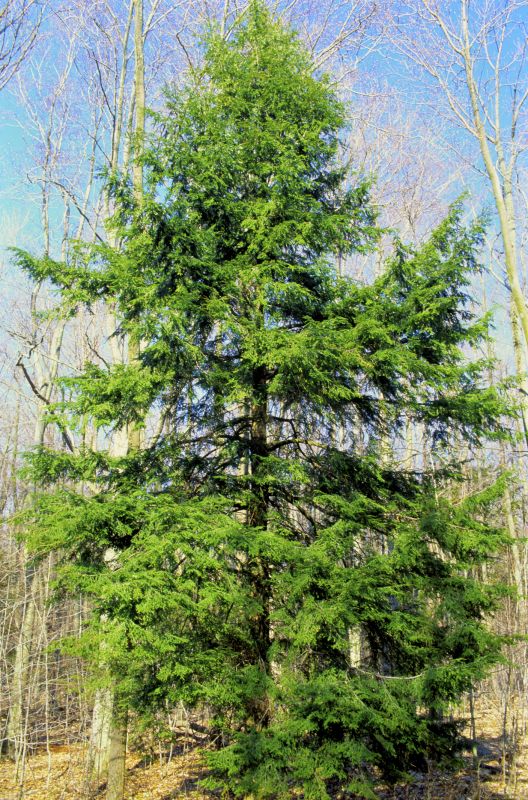
Reasons For Hemlock Removal
Removing diseased or damaged hemlocks can improve the safety and health of your landscape.
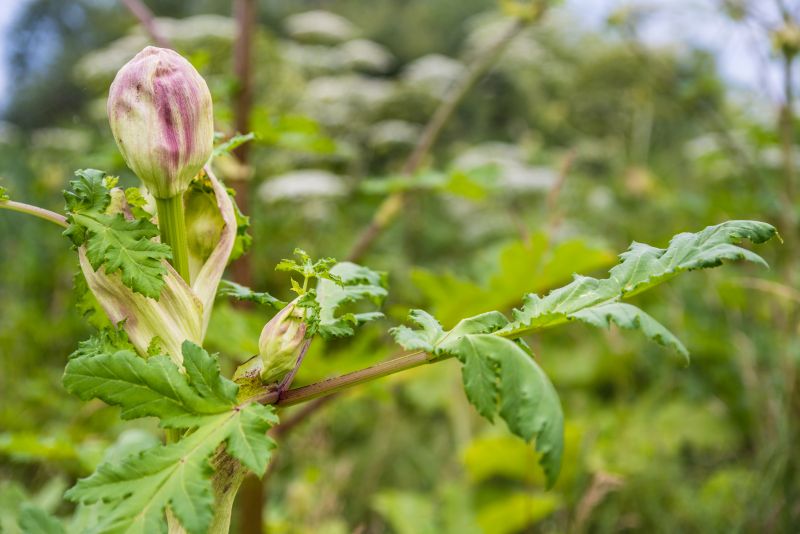
Hemlock Removal Process
The process involves carefully cutting and removing the tree to prevent damage to surrounding property.
Property Benefits
Removing overgrown or hazardous hemlocks can enhance curb appeal and reduce potential risks on your property in burlington county, nj.
Hemlock Removal in Burlington County, NJ
Hemlock removal services involve the careful elimination of hemlock trees that may pose risks to property or safety. These services typically cover projects such as removing hazardous or overgrown hemlocks, clearing space for new landscaping, or addressing infestations that threaten nearby plants and structures. Property owners usually want to understand the scope of removal, including whether the entire tree or just parts of it will be taken out, as well as how the process might impact surrounding vegetation or landscape features.
Before requesting hemlock removal, homeowners often seek information about the reasons for removal, such as disease, storm damage, or safety concerns, as well as any necessary preparation or follow-up steps. Understanding the potential effects on the property, including debris cleanup and tree disposal options, can help in planning the project effectively. Clarifying these details ensures that the removal process aligns with the property's needs and future landscape goals.
Many property owners in Burlington County, NJ look into Hemlock Removal for repairs, replacements, upgrades, and appearance-related improvements.
Common Hemlock Removal Jobs
Hemlock Removal - Safely removing invasive hemlock trees to protect surrounding landscape.
Tree Clearing - Clearing overgrown hemlocks to improve yard visibility and accessibility.
Hazard Tree Removal - Eliminating weakened or damaged hemlocks that pose safety risks.
Stump Grinding - Removing remaining stumps after hemlock trees are felled.
Property Preservation - Preserving healthy trees while removing those that are diseased or invasive.
Land Clearing - Preparing land for new landscaping or construction by removing unwanted hemlocks.
Hemlock Removal Questions
Why remove a hemlock tree? Removing a hemlock can prevent disease spread, reduce safety risks, or improve landscape aesthetics.
When is the best time for hemlock removal? The optimal time is typically during dormancy in late fall or winter.
What should property owners consider before removal? It's important to assess the tree’s size, location, and potential impact on nearby structures or plants.
Are there options besides removal for hemlock trees? Alternatives include health assessments or treatment, but removal is recommended for severely diseased or hazardous trees.
Request Hemlock Removal in Burlington County, NJ
Use the quote form on this page to share the basics of your project and request more information for the type of work you need.